First handheld setup
Choose the starter radio, antenna, programming cable, and spare power that will get you practicing fastest.
Build the first setupRecommended gear
Start with a reliable handheld, improve the antenna, add spare power, and keep the kit simple enough that you will actually practice with it. These categories focus on practical radio use: clear setup, better range, dependable power, and field habits that hold up away from the desk.
This hub organizes buying decisions by station role rather than by product list. Use it to connect a radio choice with the antenna, programming, power, and field practice required to make that purchase useful.
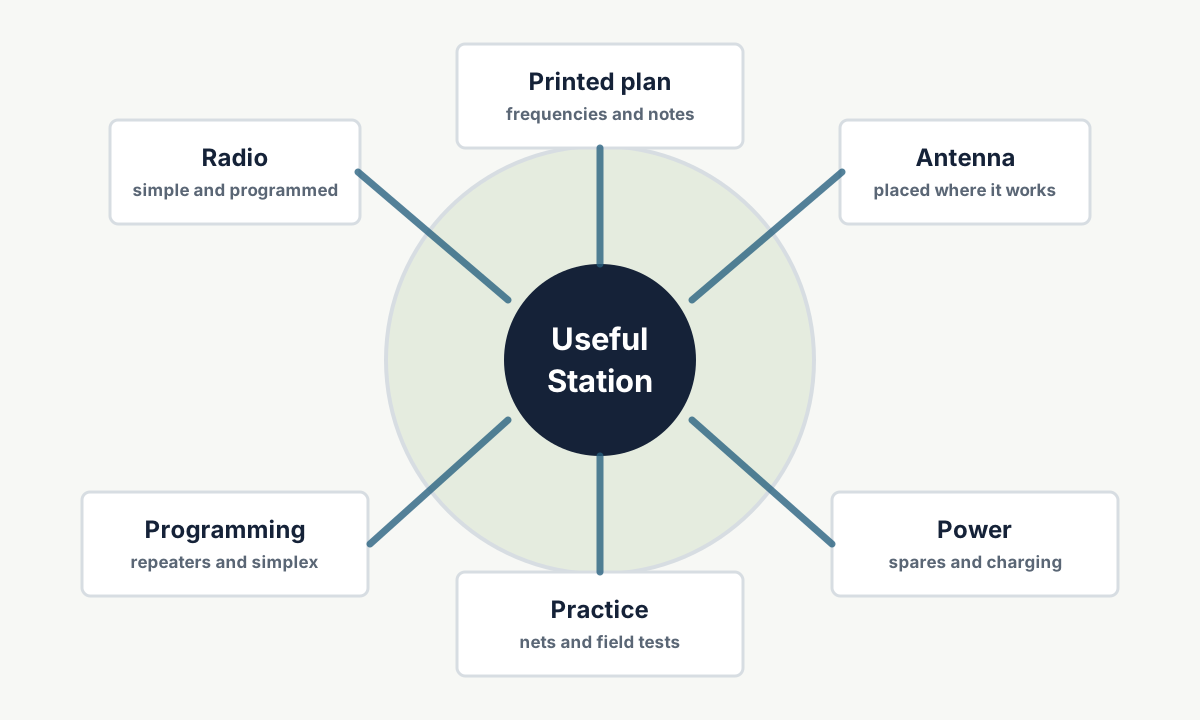
Choose the starter radio, antenna, programming cable, and spare power that will get you practicing fastest.
Build the first setupCompare budget, rugged analog, digital, APRS, and DMR handhelds by real use case.
Compare handheldsPrioritize programming, antenna, power, and field accessories before replacing the starter radio.
Plan the upgradesStart here
Good first HTs should be affordable, programmable, and common enough that local operators can help you troubleshoot them.
Compare radiosBiggest upgrade
A better antenna usually improves a handheld station more than buying another radio. Prioritize practical range and durability.
For name-brand coax, station hardware, and antenna accessories, compare options at DX Engineering.
Compare antennasKeep talking
Spare batteries, USB-C charging, 12V adapters, and small solar options can keep a radio useful during outages and events.
Ready bag
A small, repeatable kit beats an overpacked bag. Think documentation, weather protection, adapters, light, and notes.
Storm alerts
Choose an always-on home alert radio first, then add a portable weather radio for outages, travel, and evacuation.
Choose gear for the job, not the shelf. A dependable radio, a better antenna, spare power, and a printed frequency plan will usually do more for your station than a box of accessories you have never tested.
Browse ham radio gear at DX EngineeringStarter kit picks
These are the first pieces many handheld radio operators should evaluate once the basic radio is programmed and working.
Programming
Best first accessory for UV-5R owners because it makes repeater setup, channel naming, and backups much less painful.
Antenna
The simplest everyday range upgrade for many handheld radios. Verify the connector before buying.
Field use
A compact field antenna that can make a handheld more capable when you can get it above ground level.
Power
Cheap insurance for storms, events, and long practice sessions. Match the battery to your exact radio model.
Buying guides
Priority station guides
Yaesu FTM-510DRASP Planning ReviewEvaluate APRS, C4FM, wiring, antenna, audio, and the complete mobile installation.Read Battery Backup for the Ham ShackMeasure the station load and verify runtime, voltage drop, charging, and radio-frequency noise.Read APRS for Emergency CommunicationTest the digital feature in the local network before treating it as a buying requirement.ReadUse the printable checklist to connect radio, antenna, programming, power, adapters, and field references into one repeatable kit. No signup is required.
Open the checklist